
As women get older, their tastes in perfume tend to change. The fruity and floral scents that may have appealed to them in their teens

So you wanna make a dating profile that’s charming and sweet, but also totally you? I feel you, girl. It can be tricky finding that

Staying in for date night can be just as fun as going out, if you get creative with your at-home date ideas. With a little

Personal ads have been around for a long time, and with the growing number of online dating platforms, it has become easier than ever to
The LGBTQ+ community has been using personal ads to find love and companionship for decades. These ads have not only helped people find partners but

The LGBTQ+ community has achieved notable progress in visibility and acceptance during the recent years. Consequently, the methods of dating and making connections within the
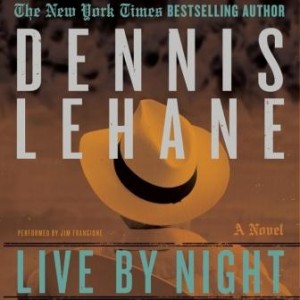
Title: Live by NightAuthor: Dennis LehaneLength: 14 3/4 hours (416 pages)Genre: Fiction, historicalDate Published: October 2, 2012 Live by Night is the third book by Dennis Lehane that I’ve had the
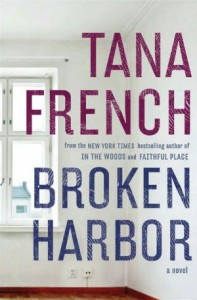
Title: Broken Harbor Author: Tana FrenchPages: 464Genre: Fiction, mystery, literaryDate Published: July 24, 2012 I have been stalking Tana French ever since I finished The Likeness in October 2008. When you find

Looking for an easy, last-minute costume you can quickly DIY? We have you covered with 10 easy but creative Halloween costumes for women. 10 Easy